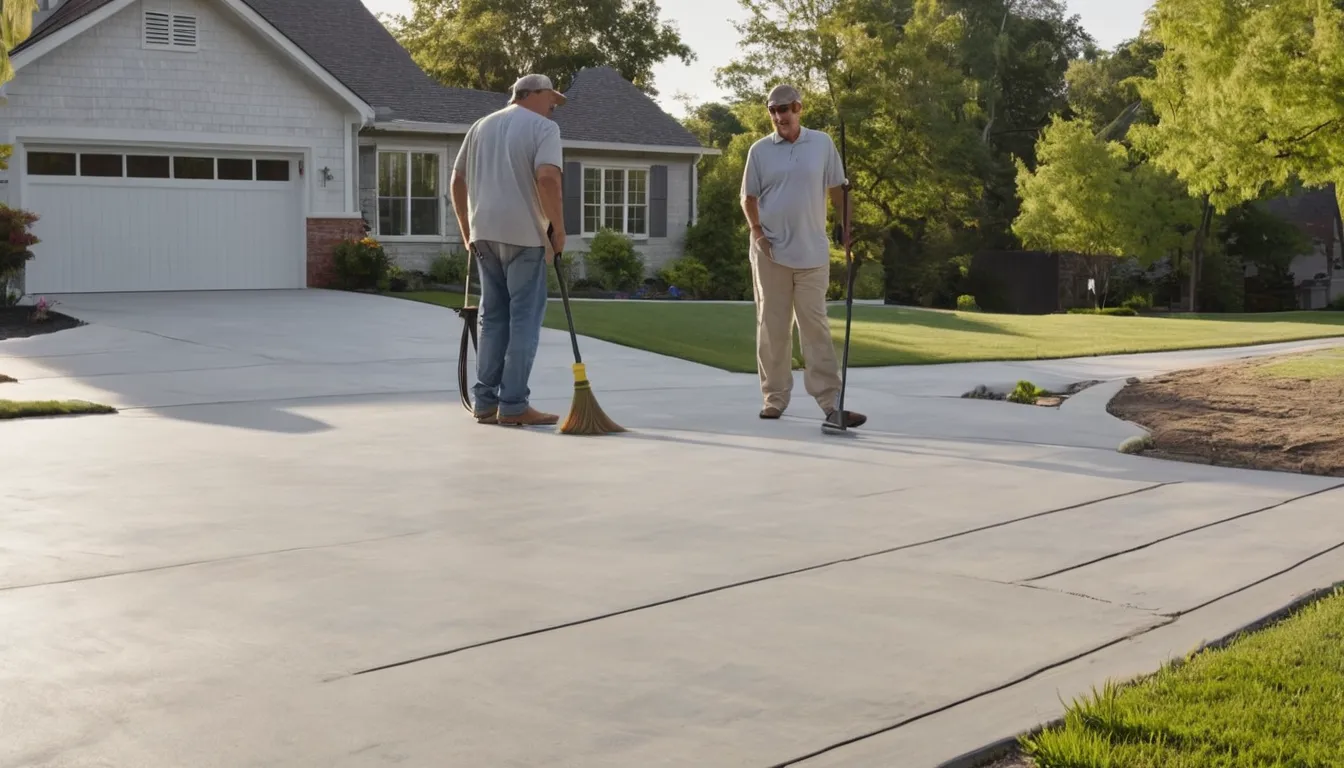
Concrete Driveways for St. Michael Homes
Request an estimate for your driveway
A driveway is the part of your home that takes the most weight and weather. Think of it like a table: the top looks nice, but the legs decide whether it stays level. For concrete, the legs are the soil and the gravel base under the slab.
Majorgalore Concrete is a referral service for homeowners in the St. Michael area. We explain how a driveway is built, then connect you with independent local providers in our network. The providers do the work. You compare estimates, ask questions, and plan the job around your family's routine.
Is It Time for a New Driveway?
Most people start looking when the old surface starts to bother them. Maybe you wince at every crack. Maybe water sits near the garage. These are good reasons to ask questions before the problem grows.
A new driveway is a big project, so it helps to understand it first. That is what this page is for.
Signs the Old Driveway Has Run Its Course
A few cracks are normal. Concrete shrinks as it cures, and thin lines can stay stable for years. The signs below point to something deeper.
- Wide cracks where one side sits higher than the other
- Surface flaking or pitting after winter
- Sections that sank or tilted toward the house
- Puddles that stay long after rain stops
- Crumbling edges where tires turn
Think of a cracked plate. Gluing it may hold for a while, but the plate is still weak. Searches for concrete driveway repair often end with the same answer: patching helps small spots, while widespread movement usually means the base has failed.
Repair or Replace? A Simple Way to Decide
Ask how much of the slab is affected. If damage is limited to one or two panels, a provider may suggest replacing just those. If most of the driveway has moved or crumbled, a full replacement often costs less over time than many small fixes.
A local provider can look at the slab and the soil under it, then explain the options in plain words.
Why the Base Matters More Than the Surface
Base before beauty. Concrete is strong when you press on it and weaker when it bends. If the ground under it shifts, the slab bends and cracks.
Imagine a mattress on a bed frame with missing slats. It feels fine until someone lies down. A compacted gravel base works like a full set of slats. It spreads weight evenly and lets water drain away.
What the Cold, Wet Ground Does
In regions with deep frost, water in the soil freezes, expands and pushes up. When it thaws, the ground settles unevenly. Spring flooding and heavy storms add more water to the mix.
A good base, proper slope and well-placed joints give that moving ground room to do its thing without wrecking your slab. Many providers also use air-entrained concrete, which has tiny bubbles that give freezing water a place to go.
What a New Driveway Project Includes
The steps usually run in this order:
- Measuring and marking the new layout
- Removing the old slab and hauling it away
- Grading the soil and adding a compacted gravel base
- Setting forms and, in many cases, steel rebar or mesh
- Pouring, leveling and finishing the concrete
- Cutting control joints and applying a curing step or sealer
Ask each provider which of these are in the written estimate. Some leave out demolition or sealing.
Choosing Size, Thickness and Finish
A typical home driveway slab is about four inches thick. Heavier vehicles, such as trucks or an RV, may call for five or six inches. Width matters too. A wider spot near the garage makes it easier to open doors and park a second car.
For finish, a broom texture is the common choice because it grips tires and shoes in wet weather. Exposed aggregate and light color tints cost more but can lift curb appeal. Resale buyers notice a clean, even driveway before they walk in.
Permits and the Street Apron
The apron is the part of the driveway that meets the street. In many towns it sits on public land, so the city may set its own width, thickness and inspection rules. Some places require a permit for any new driveway.
Providers in our network are used to this paperwork, but ask about it early. Say who will apply, and whether permit fees are in the estimate.
Choosing a Concrete Provider
Price is only one part of the picture. A low number can hide a thin base or fewer joints. Compare estimates line by line, not just by total.
Questions worth asking:
- What depth of gravel base do you plan to use?
- How thick will the slab be, and will it have reinforcement?
- How will water drain away from my house?
- Who handles permits and old slab removal?
- What does the written estimate say about weather delays?
If your home has a full basement and a sump pump, mention it. Water flowing toward the foundation can cause trouble later, which is why some homeowners also talk with foundation repair experts before changing the grade near the house.
Planning Around Daily Life
Plan around life. A driveway is out of use for a while, and your family still has school runs and work. Ask the provider for a day-by-day plan. Park cars on the street ahead of time, and ask about a neighbor's driveway for short-term use.
Concrete usually needs a few days before cars can drive on it, and longer before heavy loads. A calm schedule beats a rushed one.
After the Pour
Keep cars, bikes and pets off the fresh surface until your provider says it is ready. Water the slab lightly if told to, since slow curing makes stronger concrete.
After the first month, a sealer can help the surface resist stains and moisture. Go easy on de-icing salts in the first winter. Rinse oil spills early. Small habits protect a big investment.
Build It Once
The goal is one good driveway, not a series of patches. When the base, slope and thickness are right, the slab can serve your home for decades and make a good first impression when you sell.
When you are ready, request an estimate. Majorgalore Concrete will refer you to an independent local provider, with no obligation to hire.
What's Included
Old Slab Removal and Hauling
Providers break up the existing concrete, load it out, and clear the area so the new work starts clean.
Grading and Gravel Base
Soil is shaped for drainage, then covered with compacted gravel to support the slab evenly.
Forms and Reinforcement
Wood forms set the shape, and steel bars or mesh help hold the slab together.
Pouring, Finishing and Joints
Concrete is poured, leveled and textured, then cut with joints to guide where cracks form.
Typical Concrete Driveway Costs in the U.S.
Prices vary by size, soil, finish and local rules. These are general ranges, so always get a written quote from each provider before you decide.
| Item | Typical range | Notes |
|---|---|---|
| New plain driveway, per sq. ft. | $6 – $12 | Basic broom finish, standard base |
| Typical two-car driveway total | $4,000 – $9,000 | Depends on size and site access |
| Old slab removal | $1 – $3 per sq. ft. | Higher with thick or reinforced concrete |
| Extra gravel base work | $500 – $2,500 | Needed for soft or wet soil |
| Exposed aggregate or color | $2 – $8 more per sq. ft. | Adds labor and material |
| Permit and apron work | $100 – $1,500 | Varies widely by town |
How It Works
Share Your Plans
Tell Majorgalore Concrete about your home, the size you have in mind and any timing needs.
Get Matched With a Provider
We refer you to an independent local provider in our network who handles new driveways.
Compare Written Estimates
Review the scope, base depth, thickness and finish, then ask questions until the details feel clear.
Choose and Schedule
Hire the provider you prefer, with no obligation to Majorgalore Concrete, and set dates that suit your family.
Why Call Majorgalore Concrete
Protects Your Home Value
A solid, even driveway shapes first impressions and shows buyers the property has been looked after.
Fewer Surprises
Understanding the steps lets you compare estimates fairly and spot missing items before work begins.
Local Providers
Independent providers know the frost, storms and soil in your area, and how nearby towns handle permits.
Easier Scheduling
Tell us your routine and ask providers about timing so the work fits around your household.
Other Services
Need concrete driveways in St. Michael?
Planning a new driveway or patio? Send a request or call, and a local provider in our network will follow up with a written quote.
No obligationConcrete Driveways FAQ
How long does a concrete driveway last?
With a well-prepared base and proper drainage, a concrete driveway often lasts 25 to 30 years or more. Frost, heavy loads and de-icing salts can shorten that, so good installation and basic care matter.
How thick should a concrete driveway be?
Most home driveways are about four inches thick. If you park heavy trucks, an RV or a delivery vehicle, providers often suggest five or six inches and added reinforcement. Ask for the thickness in writing.
How long before I can drive on a new concrete driveway?
Many providers ask you to wait about seven days for cars, and longer for heavy vehicles. Cool or wet weather can slow curing, so follow your provider's advice rather than a fixed rule.
Tell us what happened
Planning a new driveway or patio? Send a request or call, and a local provider in our network will follow up with a written quote.
No obligation