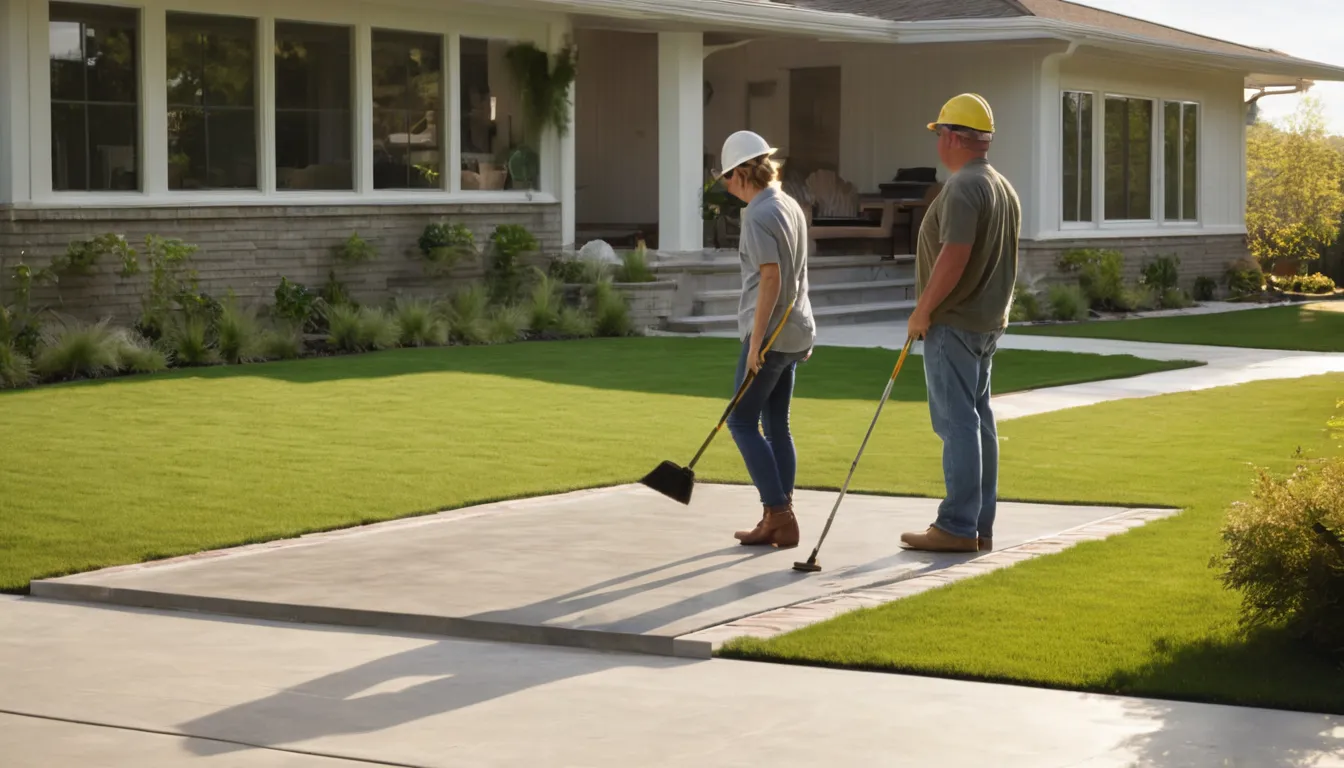
Concrete Patios Built Right for Your Home
Request a patio estimate today
A concrete patio turns a bare patch of yard into a place for meals, kids and quiet evenings. It is also part of your home's exterior, so how it is built matters. The base underneath, the slope of the surface and the joints in the slab decide whether it stays flat and safe or becomes a problem after a few winters.
Majorgalore Concrete is a referral service for homeowners in the St. Michael area. We explain how patio work is planned, what to ask and what affects the price. Then we connect you with independent local providers in our network who do the work and who can plan it around your household. You are under no obligation to hire anyone, and you can compare more than one estimate.
Planning a Patio Before the Season Fills Up
In regions with long, cold winters, the pouring season is short. Think of it like booking a table at a popular restaurant: the earlier you ask, the more choice you have. Request a callback to check provider availability for the weeks you have in mind.
Why Homeowners Choose Concrete
Concrete is like a sturdy pair of work boots. It is plain, tough and made for daily wear. A poured patio handles chairs, grills, kids and weather without much fuss. It also gives a bungalow or ranch home a flat, welcoming spot just outside the back door. Usable outdoor space is something future buyers notice, so a well-built patio supports your home's value.
Base Before Beauty
The surface is what you see, but the base does the real work. Picture a table set on soft carpet. It wobbles. A patio on loose soil does the same thing, only slowly. Compacted gravel gives the concrete an even bed that drains well and resists shifting.
Why Frost Matters Here
Where frost runs deep, wet soil freezes and pushes upward. When it thaws, the ground settles again. A good base and well-placed joints give that movement somewhere to go, so the slab does not crack in random places.
What a New Patio Project Includes
Most jobs follow a similar path. Details vary by provider, so ask for them in writing.
- Marking the layout and clearing sod or old material
- Grading the soil so water moves away from the house
- Laying and compacting a gravel base
- Setting forms, and often rebar or wire mesh
- Pouring, finishing and cutting control joints
- Curing time before furniture returns
Control Joints in Plain Words
Concrete shrinks a little as it dries. Think of a chocolate bar with grooves: it snaps along the lines. Control joints are those grooves, and they guide any crack into a straight, quiet line.
Sizing Your Patio
Measure how you really live. Count the chairs, the grill and the walking space around them. A table for six needs more room than most people expect, because chairs slide back. Many homeowners land between 10 by 12 and 16 by 20 feet. Mark the outline with a garden hose or spray paint to picture it before anything is poured. If a fire pit or planter might come later, leave room for it now.
Finish Options
The finish changes both the look and the grip underfoot. Choose with your climate and your family in mind.
Broom Finish
A light brushed texture gives traction when wet. It is a practical, common choice.
Exposed Aggregate
Washed stones show through the surface. This finish hides small marks and stays grippy.
Stamped Concrete Patios
Stamped concrete patios use patterns and color to echo stone, brick or wood planks. They usually cost more than plain concrete and need resealing from time to time to keep the color fresh. A provider can show you sample patterns before you decide.
Color and Sealer
Sealer works like a raincoat for the slab. In freeze-thaw weather it keeps water out of the surface, which helps limit flaking.
Drainage and Your Foundation
Water runs downhill and settles in the low spots. If a patio slopes toward the house, that water ends up at the wall. Many homes here have full basements with sump pumps, so extra water near the foundation only adds work for the pump. A gentle slope away from the house, often about a quarter inch per foot, sends water outward. That one detail protects your basement and your home's value. Spring flooding and heavy thunderstorms make it matter even more. If you already see cracks or damp walls, foundation repair experts handle that as a separate matter, and it is worth sorting out before you pour next to the wall.
Choosing a Concrete Provider
Ask each provider to explain the base, thickness, joint plan and drainage before you compare prices. It is like asking a mechanic what is under the hood, not just what color the paint is. Confirm licensing and insurance directly with the provider where your area requires them, and get everything in a written quote.
Questions Worth Asking
- What base and slab thickness do you plan?
- Where will water drain after a storm?
- How are weather delays handled?
- Who handles cleanup and hauling?
Planning Around Daily Life
A patio job should not take over your week. Moving house goes smoother with a step-by-step plan, and so does this. Forms and base work come first, the pour is often a single day, and curing takes several more. Tell the provider where kids, pets and cars need to go. Ask whether the driveway can stay open. Plan around life, and the project feels much lighter.
Caring for Your New Patio
Fresh concrete is like a cake cooling on the counter. Leave it alone while it sets. Keep foot traffic off for the time your provider gives you, and heavy items off even longer. Seal the surface as advised. In winter, use sand for traction and skip rock salt, especially in the first year. Sweep often and rinse away dirt. Patios are part of a wider family of work called concrete flatwork, and small cracks that appear years later are a repair topic, much like concrete driveway repair, and not part of a new pour. Solid concrete handles hail and storms well, but keep gutters clear so roof water does not pool on the slab.
Your Next Step
Build it once, and build it with a strong base. Share your plans, compare written quotes and pick the provider who explains the work most clearly.
What's Included
Site Preparation
Providers mark the layout, clear grass or old material, and grade the soil so water drains away.
Gravel Base and Forms
Compacted gravel and sturdy forms give the slab an even bed and clean edges.
Pour and Finish
Concrete is placed, leveled, textured and cut with joints to guide any future cracks.
Curing and Cleanup
The slab cures in stages, then the site is cleaned and tidied.
What Concrete Patios Typically Cost
Prices across the U.S. vary by job size, finish, soil and access. These typical ranges are only a starting point. Always ask each provider for a written quote that lists what is included.
| Item | Typical range | Notes |
|---|---|---|
| Basic broom-finish patio (per sq ft) | $6 – $12 | Plain gray concrete with a light texture |
| Typical 12 x 16 foot patio | $1,500 – $3,500 | Depends on thickness, base and local rates |
| Exposed aggregate (per sq ft) | $8 – $18 | Adds stone texture and extra grip |
| Stamped and colored (per sq ft) | $12 – $25 | Pattern and color choices raise labor |
| Extra base and grading (per sq ft) | $1 – $3 | Needed for soft soil or poor drainage |
| Removing an old slab (per sq ft) | $2 – $6 | Hauling and disposal may add to the total |
How It Works
Share Your Plans
Tell us the size, finish and timing you have in mind, and any worries about drainage or access.
Compare Written Estimates
Providers in our network can review your plans and send quotes you can compare.
Confirm the Schedule Together
Agree on start dates, access and daily routines so the job fits around your household.
Enjoy the Finished Patio
After curing, follow the care steps and settle into your new outdoor space.
Why Call Majorgalore Concrete
Built for Frost Cycles
A proper base and joints help the slab handle freezing, thawing and wet spring soil.
Home Value
A flat, well-drained patio adds usable space that future buyers can see and enjoy.
Less Disruption
Providers can plan the stages around school runs, work hours and your family routine.
Clear Quotes
Written estimates let you compare base, thickness, finish and drainage side by side, with no obligation.
Other Services
Need concrete patios in St. Michael?
Planning a new driveway or patio? Send a request or call, and a local provider in our network will follow up with a written quote.
No obligationConcrete Patios FAQ
How long does a new concrete patio take to cure?
Concrete usually takes a few days before light foot traffic and about a week before furniture. Full strength takes about 28 days. Weather affects timing, so follow your provider's instructions for sealing and heavy items.
How thick should a concrete patio be?
Most residential patios are poured about four inches thick over a compacted gravel base. Heavier loads, like hot tubs, may call for more. Ask your provider to explain the plan in your written quote.
Can a concrete patio cause water problems near my basement?
It can if the slab slopes toward the house. A gentle slope away from the foundation, plus good grading, helps send water outward. Ask each provider how they will handle drainage on your lot.
Tell us what happened
Planning a new driveway or patio? Send a request or call, and a local provider in our network will follow up with a written quote.
No obligation